Man-made pools are great for getting fit, training, or just having fun.
The design of these pools makes them safe and perfect for different swimming needs. They are great for both serious training and just having fun.
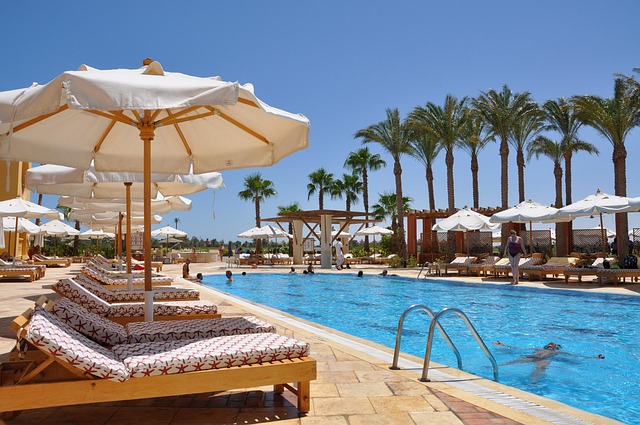
Man-made pools are perfect for many activities. They are used for fitness classes and big competitions. This makes them very important in many places.
Benefits of Pool Swimming
Swimming in a pool is great for your body and mind. It works out many parts of your body at once. This makes it perfect for staying fit.
Physical Health Benefits
Pool swimming is easy on your joints. It boosts your heart health and builds muscle. It’s good for people with injuries or chronic pain.
Mental Health Advantages
Swimming in a pool can make you feel less stressed and anxious. The motion of swimming can calm your mind. It also makes you feel happier.
Advantages Over Open Water Swimming
Swimming in a pool is safer than in open water. The water is warmer and cleaner. You don’t have to worry about sea creatures.
| Benefits | Pool Swimming | Open Water Swimming |
|---|---|---|
| Controlled Environment | Yes | No |
| Water Quality Control | Yes | No |
| Risk of Marine Life Encounter | No | Yes |
“Swimming is a low-impact exercise that can improve cardiovascular health, overall fitness, and mental health.”
Getting Started: Essential Equipment for Pool Swimming
To start swimming in a pool, you need the right gear. The right equipment makes swimming better, more comfortable, and fun.
Selecting the Right Swimwear and Goggles
Choosing the right swimwear and goggles is key. Swimwear should fit well and match your swimming style. Goggles need to fit tight and let you see underwater clearly. Look for goggles with anti-fog and UV protection.
Optional Training Gear: Caps, Fins, and Kickboards
Optional gear can make swimming better. Swim caps help you swim faster and keep your hair back. Fins and kickboards help you swim stronger and better. They’re great for training.
Pool Bag Essentials and Organization
A good pool bag keeps your stuff organized. You’ll need a towel, swimwear, goggles, and training gear. A bag with pockets helps you find things fast.
| Equipment | Purpose | Benefits |
|---|---|---|
| Swimwear | Comfortable swimming | Enhances performance |
| Goggles | Underwater visibility | Reduces eye irritation |
| Swim Caps | Reduces drag | Improves hydrodynamics |

Finding the Right Swimming Facility
Finding the right swimming place is key, no matter if you’re new or have been swimming for years. A good place can make your swimming better and help you reach your goals.
Types of Swimming Pools and Their Features
There are many kinds of pools, like lap pools, swim spas, and resistance pools. Lap pools are great for working out and getting fit. Swim spas offer both exercise and a place to relax.
Membership Options and Cost Considerations
Swimming places offer different membership plans. Some are flexible, while others ask for a long-term deal. Think about the cost and what you get, like classes or renting equipment.
How to Evaluate Pool Cleanliness and Safety Standards
Look for signs of cleanliness and safety when choosing a pool. Make sure the pool is well-maintained and there’s a lifeguard. Also, check if they have a plan for emergencies.
Pool Swimming: Swimming in a man-made pool designed for training, fitness, or recreation
Pool swimming is fun for many reasons. It’s great for relaxing or training hard. Knowing how to swim in a pool makes it even better, no matter your skill level.
Understanding Pool Layouts and Lane Etiquette
Pools have lanes for different swimming styles. Knowing the pool’s layout and how to swim in lanes is key. Lane etiquette means watching out for others and being polite.
How to Share Lanes Effectively
Swimming with others needs teamwork. You should talk and agree on a swimming plan. This way, everyone can swim without bumping into each other. Efficient lane sharing lets many swimmers swim together smoothly.
Adapting to Different Pool Temperatures and Conditions
Pool conditions like temperature and water quality matter. Adjusting to these can make your swim better. For example, warm water is relaxing, while cool water is refreshing.
| Pool Condition | Ideal Temperature | Swimming Experience |
|---|---|---|
| Relaxation | 84°F – 88°F | Warm and soothing |
| Training | 78°F – 82°F | Cool and invigorating |
| Competition | 79°F – 81°F | Optimal for performance |
Mastering Basic Swimming Techniques for the Pool
Swimming in the pool is more than just moving. It needs skill and precision. Learning basic swimming techniques is key for a good pool workout and better swimming pool training. This way, swimmers can swim better and stay safe.
How to Perfect Your Freestyle Stroke
Getting good at the freestyle stroke is very important. Keep your body straight, with your ears, shoulders, and hips in line. Make sure your arm stroke is smooth and your hands go in front of your shoulders.
Developing Efficient Breathing Patterns
Good breathing is key for a steady pace in pool workout. Learn to turn your head to breathe without losing your shape. Breathe out slowly underwater to save energy. With practice, you’ll find a rhythm that works for you.
Common Technique Mistakes and How to Fix Them
Many swimmers make mistakes like bad body alignment, poor arm strokes, and breathing issues. To fix these, do drills that focus on these areas. For example, kicking exercises can help your legs and your body shape. Getting tips from a coach or a good swimmer can also help a lot.
| Technique | Common Mistake | Correction |
|---|---|---|
| Freestyle Stroke | Crossing over or wide arm entry | Focus on entering the water with your hands in line with your shoulders |
| Breathing | Lifting the head too high | Practice turning your head to the side while keeping your body aligned |
| Body Position | Allowing hips to sink | Engage your core and maintain a horizontal body position |
Effective Pool Workout Plans for Different Goals
To reach your swimming goals, you need a workout plan made just for you. Pools made for training, fitness, or fun offer many plans. Each plan is for a different goal.
Beginner’s Guide to Swim Training
Beginners should work on getting better and learning the basics. A good plan for them might include short sessions of freestyle swimming. They should also do walking or floating to get stronger in the water.
Drills that help with technique are also key. Kicking exercises with a kickboard are great for this.
Intermediate Workouts for Fitness and Endurance
Intermediate swimmers can get fitter and more enduring with better workouts. They might do interval training. This means swimming fast and then resting.
For example, swim 100 meters fast, then 50 meters slow. Do this for 20 minutes. Trying different strokes like backstroke or breaststroke is also good. It works different muscles.
Advanced Training for Speed and Performance
Advanced swimmers want to swim faster and better. They should try high-intensity interval training (HIIT). This means swimming very fast for short times, then resting.
Doing strength exercises like using resistance bands can also help. A famous coach once said,
“The key to success in competitive swimming lies in the ability to balance technique with raw power.”
By making your workout plan fit your goals, you can swim better. This is true for beginners, those in the middle, or advanced swimmers.
Tracking Progress and Preventing Injuries
Pool swimming needs a good plan. This includes setting goals, tracking progress, and avoiding injuries. To reach your swimming goals, you must watch your progress closely.
How to Set Realistic Swimming Goals
Setting goals that you can reach is key. Specific, measurable, achievable, relevant, and time-bound (SMART) goals work best. For example, try to swim a certain distance in a set time.
Measuring Improvement: Timing and Technique Assessment
Check your swimming technique and timing often. Use a stopwatch or a swimming app to see how you’re doing over time.
Preventing and Managing Common Swimming Injuries
Swimming can cause injuries like shoulder strain and knee pain. Warm up right, do stretching exercises, and adjust your technique to avoid these. Here’s a table with common injuries and how to prevent them.
| Injury | Prevention Strategy |
|---|---|
| Shoulder Strain | Proper warm-up and technique adjustment |
| Knee Pain | Strengthening leg muscles and avoiding overexertion |
Conclusion
Swimming in a man-made pool is great for getting fit and feeling good. It helps your body and mind. Plus, it’s easy on your joints.
A good fitness pool is perfect for working out and having fun. Knowing how to swim well in a pool helps you reach your fitness goals.
Swimming is good for anyone, whether you’re new or have been swimming for years. Adding swimming to your routine can really boost your health and fitness. With the right gear, plans, and safety steps, swimming in a pool can be very rewarding.
FAQ
What are the benefits of swimming in a man-made pool?
Swimming in a man-made pool is great for your heart and reduces stress. It’s also easy on your body. These pools are made for different reasons, like training or just for fun.
What equipment do I need to get started with pool swimming?
You’ll need swimwear and goggles to start. You might also want caps, fins, and kickboards. Choosing the right gear makes swimming better and more fun.
How do I choose the right swimming facility?
Look at the pool type, membership, and cost. Make sure the pool is clean and safe. This helps you pick the best place to swim.
What are the different types of swimming pools?
There are lap pools, leisure pools, and therapy pools. Each is for a different need, like training or fun. Choose the one that fits your goals.
How can I improve my swimming technique?
Work on your freestyle stroke and breathing. Fix any mistakes you make. Practice a lot and think about getting a coach.
What are some effective pool workout plans?
Plans depend on your skill level. Start with simple goals and add more as you get better. Focus on what you want to achieve, like being faster or healthier.
How can I prevent injuries while swimming?
Set goals and track your progress. Warm up and cool down well. Listen to your body to avoid too much strain.
How can I track my progress in pool swimming?
Set goals and measure your time and technique. Check your progress often. This keeps you motivated and helps you adjust your plan.
What are some common mistakes to avoid in pool swimming?
Avoid bad technique, not warming up or cooling down, and pushing too hard. Knowing these mistakes helps you swim better and safer.